
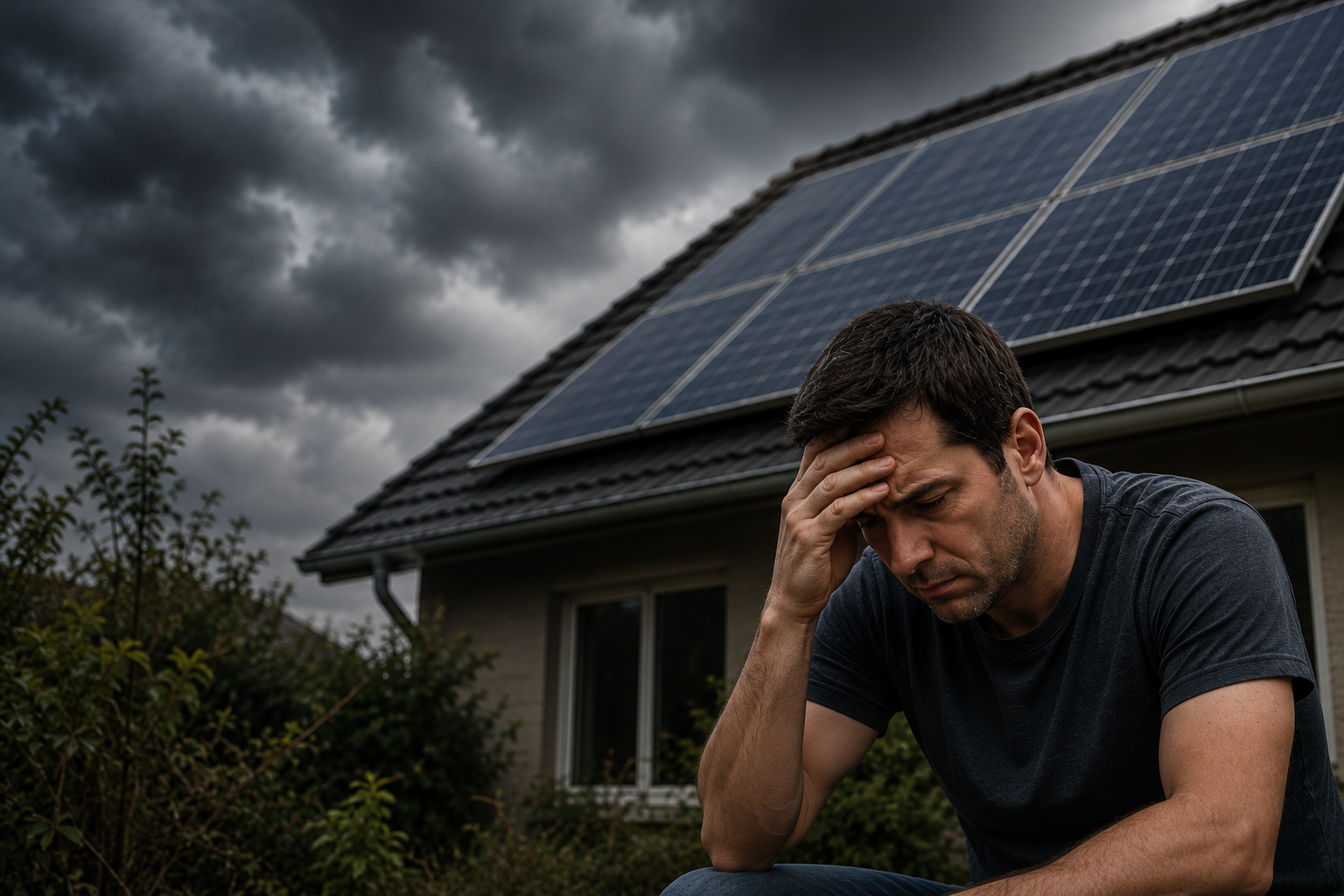
Why Your Solar Panels Aren’t Saving You Money: Common Problems Revealed
You open your monthly electricity bill, expecting a pleasant surprise, but the numbers haven’t budged. You spent thousands on solar panels to cut your power costs, yet your bank account cannot tell the difference.
It happens way more than it should. Homeowners regularly run into common solar panel problems that stop their system from generating the electricity it’s supposed to supply.
When your roof setup isn’t performing, a specific technical fault or a dirty panel is usually to blame. Finding that exact bottleneck is how you get your investment working properly again.
The Grime Factor: How Dirty Glass Impacts Output
Environmental debris is a primary cause of reduced energy generation. Dust, bird droppings, leaves, and atmospheric pollution create a physical barrier on top of the glass. When light is blocked, the underlying solar cells cannot operate at full capacity.
This leads to ongoing solar panel efficiency problems that accumulate over several months. Property owners often assume that rainfall provides sufficient cleaning for a roof array. Rain actually tends to spread fine dust across the surface, leaving a thin film of dirt.
When panels are left uncleaned, the system cannot reach its peak capacity. This directly reduces the financial return on your investment. Implementing a regular cleaning schedule restores proper light absorption and improves your daily power yields.
Rooftop Bird Activity and Component Damage
Pigeons frequently seek shelter in the warm space between roof tiles and solar modules. This area offers protection from predators, making it an ideal nesting location.
This wildlife activity leads to serious solar panel performance issues. Birds introduce debris and cause physical damage to the underside of the array.
- Nesting materials block the airflow required to cool the modules.
- Excessive heat buildup degrades the internal electronic components.
- Pests can gnaw through exposed wiring, causing system faults.
- Accumulated droppings cause corrosion on aluminium mounting frames.
- Trapped debris holds moisture against the roof structure.
When birds establish nests beneath an array, energy production drops. The physical disturbance to the wiring can disconnect entire strings of panels.
Inverter Malfunctions and System Failures
Solar modules generate direct current electricity, but household appliances require alternating current. The inverter serves as the critical translation device for this energy.
If the inverter stops functioning, the system cannot deliver power to your home. This is one of the most frequent solar energy system problems reported by system owners.
Inverters handle high electrical loads and generally have a shorter lifespan than solar modules. Most units require replacement after approximately ten years of operation. A red status light on the unit indicates an active fault that requires technical attention.
Installation Errors and Layout Oversight
Performance issues can sometimes be traced back to the initial setup of the system. A flawed solar panel installation restricts energy production from the day the project is completed.
- Modules are positioned at sub-optimal angles or incorrect orientations.
- Loose electrical connections cause voltage drops and system errors.
- Rough handling during transport creates structural micro-cracks in the cells.
- Inverters are installed in unventilated spaces prone to overheating.
- Improperly aligned racking systems place mechanical stress on the glass.
Incorrect placement prevents the array from capturing sufficient sunlight during peak operational hours. Systems must face an appropriate direction to meet their original generation estimates.
Shading Changes from Nearby Obstructions
A tree that caused no issues during installation can become a financial liability as it grows. Even minor shading on a single module can lower the output of an entire electrical string.
Most residential systems connect modules in series. If one panel experiences shade, the current drops across the connected line. Property boundaries change, and vegetation alters over time.
You must monitor changing shadow patterns from chimneys, trees, or new building extensions. Trimming nearby branches ensures the roof receives unobstructed sunlight throughout the day.
Natural Ageing and Mechanical Degradation
Solar technology undergoes gradual wear over time. The materials naturally experience a minor reduction in power capacity each year.
If a roof system has been operational for over fifteen years, it will generate less power than a new installation. This steady decline represents standard technological ageing.
Standard degradation occurs progressively over decades. If your system experiences a sudden, sharp drop in power generation, the cause is usually an equipment failure rather than natural wear.
Grid Connections and Export Metering Errors
An underperforming system might generate power correctly but fail to communicate with the electrical grid. Your utility meter must accurately record the energy you send back to the network.
- Smart meters can be incorrectly programmed by the utility company.
- Faulty export switches prevent power from transferring to the grid.
- The property might be assigned to an incorrect energy tariff.
- Grid voltage fluctuations can cause the inverter to safely shut down.
These issues mean you miss out on financial credits for your excess generation. Cross-referencing your electricity bills with your inverter log verifies that your data matches.
The Importance of Routine Solar Panel Maintenance
Solar arrays are outdoor electrical appliances exposed to variable weather conditions. They require basic periodic inspections to maintain peak operational health.
Leaving your panels alone for years without a checkup means small electrical glitches slip under the radar. From an insignificant problem with a loose cable, there could be a total system failure, which would require costly repairs.
Having an inspection done once every year is essential in making sure your wires are not loose and that the mounting brackets have not been corroded by the elements. The idea is to catch those small physical problems before they become large electrical problems.
Basic Steps for Solar Panel Troubleshooting
You can often spot system issues early just by looking at your monitoring app. Check the charts for any sudden dips or strange gaps in your daily generation numbers where power should be climbing.
Pull out your original installation paperwork and check the estimated targets against your actual numbers. If the weather is perfectly clear but your output stays low, something is actively holding your system back.
Open up your fuse box and see what is happening. A slight power outage in the network can trigger the circuit breakers, which will cause a shutdown of your solar setup. Resetting the breaker often fixes the entire issue.
When to Utilise Professional Solar Repair Services
Some equipment faults are simply too dangerous for a weekend DIY project. Handling high-voltage circuits on a high, sloped roof carries real safety risks that require proper trade training and professional safety gear.
If your initial app checks point to an internal electrical fault, it is time to call for professional solar repair services. Experienced technicians use specialised testing meters to trace hidden errors without damaging your solar cells.
Messing with the internal wiring yourself can also void your manufacturer’s hardware warranty. It is always safer to let a qualified professional diagnose and fix complex circuit issues correctly.

Professional Protection with PPSP Ltd
At PPSP Ltd, we diagnose and resolve these system limitations regularly. Many property owners are unaware that bird activity and debris accumulation are actively reducing their financial returns.
We specialise in protecting your renewable energy investment from these exact common solar panel problems. Our team removes nesting pests, clears away efficiency-limiting dirt, and installs durable, guaranteed proofing systems to keep your panels running perfectly.
We ensure your system delivers the long-term financial performance you expect.
Conclusion
A solar array should serve as a reliable financial asset. Maintenance of cleanliness on the panels, preventing animal access to them, and keeping track of your inverter will guarantee constant production of electricity.
If you suspect your system is underperforming due to dirt or nesting pests, taking action now prevents long-term damage. Contact our team today to secure your system and restore your energy savings.
Book a System Check with PPSP Ltd
FAQ
What causes solar panels to lose efficiency over time?
While panels experience natural wear, severe solar panel issues usually come from external dirt and blockages. At PPSP Ltd, we find that heavy dust buildup, baked-on bird droppings, and hidden wiring damage from nesting pests drop system efficiency far quicker than standard age degradation.
How often should solar panels be inspected for performance issues?
You should arrange a professional visual inspection at least once a year. Getting the system checked regularly helps you catch loose electrical plugs, new tree shade problems, and early pest infestations before they cause major damage and hurt your monthly savings.
Why are my solar panels not lowering my electricity bills?
If your bills stay high, your panels might be blocked by heavy shade, a faulty inverter, or a thick layer of grime. It is also common for utility companies to set up export meters incorrectly, meaning you miss out on generation credits.
How do I know if my solar panels are underperforming?
The most reliable method is checking your system monitoring app every week. Compare your current numbers against past data or the estimates from your paperwork. If the weather is perfectly clear but your generation numbers stay flat, something is wrong.
Can pigeons permanently damage my solar energy system?
Yes, they can cause serious long term issues. Pigeons scratch the protective backing of the modules, build heavy nests that trap extreme heat, and leave acidic droppings that corrode metal. Their nesting areas also invite smaller rodents that chew through wiring.
<- Back to blog