

Why Do Solar Panel Problems Occur and How Can You Prevent Them?
Solar panels are meant to be low-maintenance, long-life systems. And in theory, they are. But in real life, things don’t stay perfect for long. A lot of homeowners start noticing solar panel problems after a few years in. Not dramatic failure, just a slow dip in performance that’s hard to explain.
Energy drops a bit. Savings don’t feel the same. Everything still looks fine from the ground, which is why these issues often get ignored longer than they should.
The key thing most people miss is this: solar systems don’t usually “break”. They degrade quietly because of external pressure building up over time.
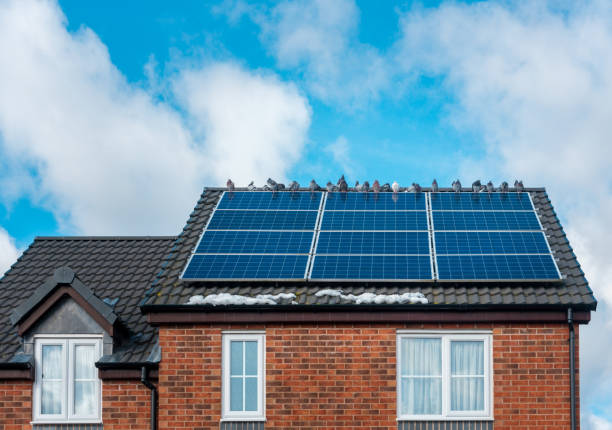
Why solar panel problems actually happen
Most solar panel problems come down to exposure and what builds up around the system, not the panels failing themselves.
One of the most common causes in the UK is bird activity, especially pigeons nesting under panels. The gap between the roof and panel creates a warm, sheltered space. Perfect for nesting. Once birds move in, they bring nesting material, droppings, and constant movement underneath the system.
That leads to a chain reaction:
- Droppings block sunlight and create uneven shading, which can reduce output significantly, even in small amounts
- Nesting materials block airflow, which increases heat build-up and can create “hotspots” that stress panel cells
- Acidic droppings slowly corrode metal parts and surrounding components over time
- Debris can interfere with wiring and connections under the panels
So what starts as “a few birds” becomes a proper system issue over time.
Weather plays its role, too. Rain helps clean the surface, but not what’s underneath. Wind pushes debris into gaps. Heat cycles slowly stress wiring and fixings.
And then there’s dirt. Dust, pollen, and grime seem harmless, but even partial shading can drag performance down.
Common solar panel problems you’ll actually notice
Most common solar panel problems don’t show up as alarms or obvious failures. They show up in the output.
- Noticeable drop in energy generation over time
- Power that feels inconsistent across the day
- Dark patches or soiling that doesn’t wash off easily
- Bird activity around or under the system
- Occasional inverter warnings or resets
- Roof debris, nesting signs, or blocked gutter flow
- Local overheating spots caused by blocked airflow
A lot of these are linked. For example, reduced airflow and debris together can push a system into overheating zones, which reduces efficiency even further.
Left long enough, what starts as maintenance turns into a full solar system repair situation.

How to prevent solar panel problems before they build up
Prevention is where most of the value is. Once solar panel problems are established, you’re dealing with removal, cleaning, and often repair. Stopping them early is always cheaper and cleaner.
A few practical habits make a real difference:
- Keep panels inspected at least once a year, especially after winter
- Don’t ignore small drops in output; they usually signal early buildup
- Clean visible surface dirt when safe and appropriate
- Check roof edges for bird activity or nesting signs early
- Install physical barriers before birds settle in permanently
Bird prevention is the big one. Once pigeons settle under panels, they don’t just leave. The space becomes part of their routine, and that’s when damage escalates.
Even studies and field reports show that contamination and nesting are among the leading causes of long-term efficiency loss in PV systems.
Why proper inspection and repair matter
This is where most DIY fixes fall short. From the ground, everything can look normal while issues sit underneath the system.
A proper inspection doesn’t just check surface cleanliness. It looks at airflow, wiring condition, mounting gaps, inverter behaviour, and hidden nesting damage.
That’s important because a lot of solar panel problems are layered. One issue triggers another. Birds lead to debris. Debris leads to heat. Heat leads to performance loss.
PPSP Ltd works directly with these types of issues, especially bird-related damage, which is one of the most common causes of hidden system inefficiency in the UK. The focus isn’t just cleaning the panels, but dealing with what caused the issue in the first place, so it doesn’t come back.
If damage has already started, a proper solar panel fix is less about patching and more about resetting the system to a stable condition again.
Final thoughts
Most solar panel problems don’t come from sudden failure. They come from a slow build-up. Birds, dirt, weather exposure, and small faults stack over time until performance drops enough to notice.
The real difference is how early you catch it. Regular checks, basic upkeep, and stopping nesting early prevent most long-term solar panel issues before they turn expensive.
And if things already feel off, it’s better to deal with it properly than let it drift into bigger solar system repair work later.
PPSP Ltd can step in, identify what’s actually causing the drop, and get the system back to where it should be.
FAQs
What is the most common problem with solar panels?
It’s not failure. It’s a slow drop in performance. Over time, dirt, bird droppings, and nesting build up and start blocking sunlight. Heat gets trapped, too. In the UK, pigeons under panels are a big reason this happens, and it quietly drags your output down.
Can bird nesting really damage solar panels?
Yeah, it does more than you’d think. It’s not just the mess. Droppings are acidic and wear things down, while nests block airflow and trap heat. That pressure builds up and can lead to wiring issues and lower efficiency if it’s left sitting there.
Why is my solar system producing less energy than before?
Usually, it’s a build-up, not a breakdown. A bit of dirt, some droppings, maybe blocked airflow underneath. Nothing looks serious, but together it cuts performance. The system keeps running, just not as well, which is why it sneaks up on you.
How can solar panel problems be prevented?
You stop it early. Keep an eye on performance, deal with dirt when it shows up, and don’t ignore bird activity. The big one is blocking access under the panels. Once birds get in, it gets messy fast. Preventing that saves a lot of hassle later.
<- Back to blog